


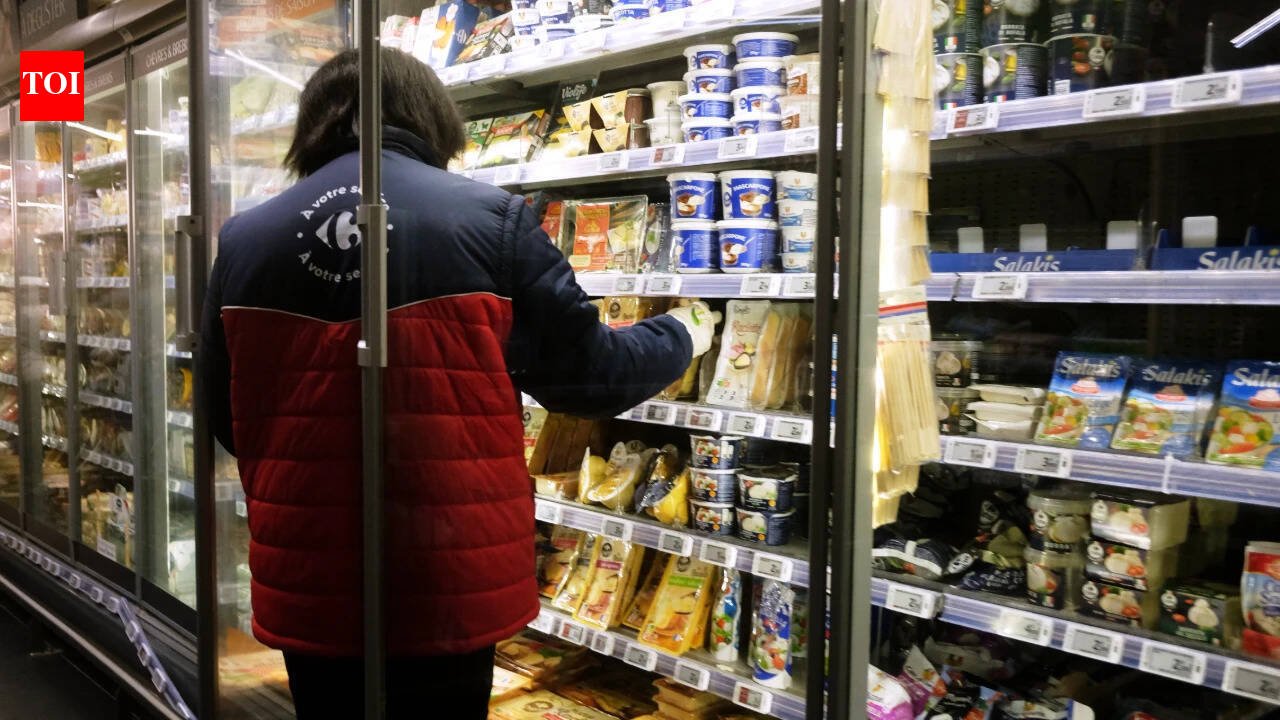

French authorities on Monday accused Iran’s Revolutionary Guards of orchestrating cyberattacks that disrupted commercial refrigerators and freezers across the country, warning that Tehran of consequences.A joint report by French intelligence and cybersecurity agencies identified Shahid Kaveh, described as a cyber offensive unit linked to the Revolutionary Guards, as being behind the hacking campaign. It also named three alleged associates — Hamid Reza Lashgarian, Mahdi Lashgarian and Reza Salarvand, Reuters reported.French foreign minister Jean-Noël Barrot said the Iranian ambassador had been summoned to the foreign ministry. He also warned that the European Union could impose further sanctions on Iran over the attacks.The attacks targeted hundreds of French supermarkets in early October, disrupting cold-storage systems. The report said around 700 commercial establishments across France had been targeted, with at least 15 fires breaking out as hackers increased the temperature of refrigeration units.Most of the affected sites were supermarkets, although small butcher shops, a slaughterhouse and food-processing factories were also hit.
Appeared as vigilante hacking groups
According to the French report, the hackers operated through several front organisations posing as vigilante hacking groups, including “CyberAveng3rs” and “Cyber Isnaad Front”, Reuters reported.French investigators said they linked Shahid Kaveh to the attacks by examining the digital infrastructure used to sabotage refrigeration systems, comparing the intrusion patterns with other operations attributed to the unit and identifying traces of Persian language in the attack infrastructure.Paris prosecutors said separately that they had sought international arrest warrants for those allegedly responsible.
Blood banks targeted
The October attacks were followed this month by another wave of hacking that affected more than 100 establishments across Europe. The latest incidents also disrupted refrigerators used by French blood banks, forcing staff to transfer some blood supplies to alternative cold-storage units.The attacks have been among the most disruptive cyber incidents linked to the conflict with Iran, which began in February. Other alleged digital disruptions during the conflict have included attacks on the Los Angeles transit system in March, US water treatment plants in July and ships bound for the United States in August.Government agencies and technology companies on both sides of the Atlantic have been investigating the incidents. Microsoft had privately linked Iran to the October cold-storage sabotage at least two weeks earlier, according to three people familiar with the matter. The company declined to comment.