

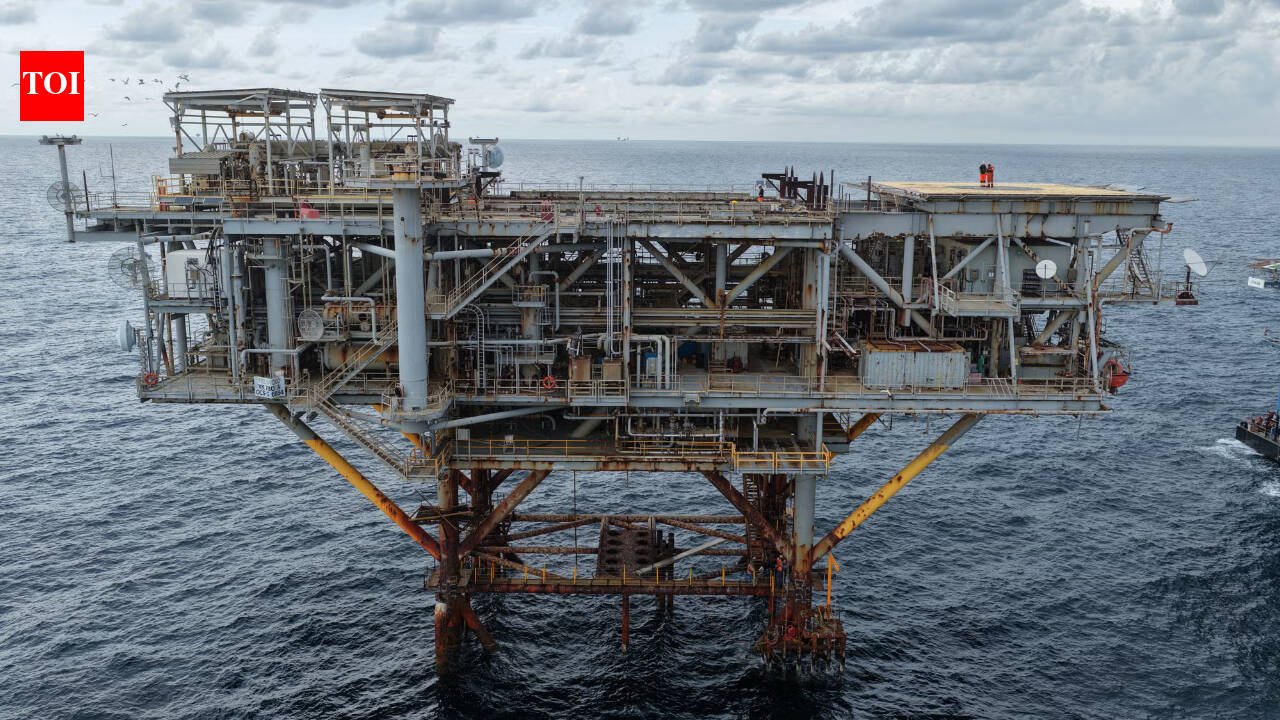
Far below Alabama’s Gulf Coast, a structure that once belonged to the energy industry is beginning a second life beneath the waves. The decommissioned Spirit VK 780A natural gas rig, located offshore, has been transformed into two artificial reef sites, allowing its massive steel framework to remain part of the marine environment rather than being removed entirely, states an online report by the Outdoor Alabama website. The project adds two new sites to Alabama’s extensive artificial reef network and preserves a marine habitat that has been developing around the rig for decades.
From gas platform to underwater habitat
The Spirit VK 780A was located roughly 60 nautical miles south of the Sand Island Lighthouse before being repurposed through an agreement between its former owner, APA Corporation, and the Alabama Department of Conservation and Natural Resources, states the report. The project is part of Alabama’s Rigs to Reefs program, which allows decommissioned oil and natural gas structures to be donated to the state’s artificial reef system.For the Spirit VK 780A project, APA Corporation also provided $1.5 million to the Marine Resources Division. The funding supports research, monitoring, habitat restoration and management of Alabama’s marine resources.Rather than removing the entire structure, crews took the platform portion ashore for decommissioning. The remaining legs and well jacket were cut 90 feet below the water’s surface, creating a navigable reef area around the base while retaining the substantial underwater portions of the structure.
Two reefs, two very different profiles
According to the report, the upper section, designated VK 780-T, is now an artificial reef in 206 feet of water within the Tatum Winn South reef zone. Measuring 85 by 77 feet, the rectangular structure extends 107 feet upward from the seafloor.The much larger base, VK 780-B, remains in 722 feet of water. Its enormous framework rises 632 feet from the seafloor, making it a particularly substantial addition to Alabama’s offshore reef system.More importantly, the base retains habitat that has been developing around the platform since 1998. Marine organisms that established themselves on the structure now have a chance to remain part of the Gulf ecosystem.
A reef designed to last for decades
Artificial reefs created from retired oil and gas structures can provide stable marine habitat for more than 50 years. Their steel surfaces offer places for corals and other organisms to attach, while the complex framework creates shelter and feeding areas for fish and other marine species. Alabama has been building on that model for decades. The Marine Resources Division established the Marathon Reef and Swingle Reef from retired rigs in 1983, and both remain productive reef sites more than 40 years later, states the report.The Spirit VK 780A now joins that long-running experiment in giving industrial structures a lasting role beneath the Gulf. What was once infrastructure for extracting natural gas has become part of an underwater landscape, one designed to support marine life long after its original purpose ended.Image Courtesy: Outdoor Alabama