

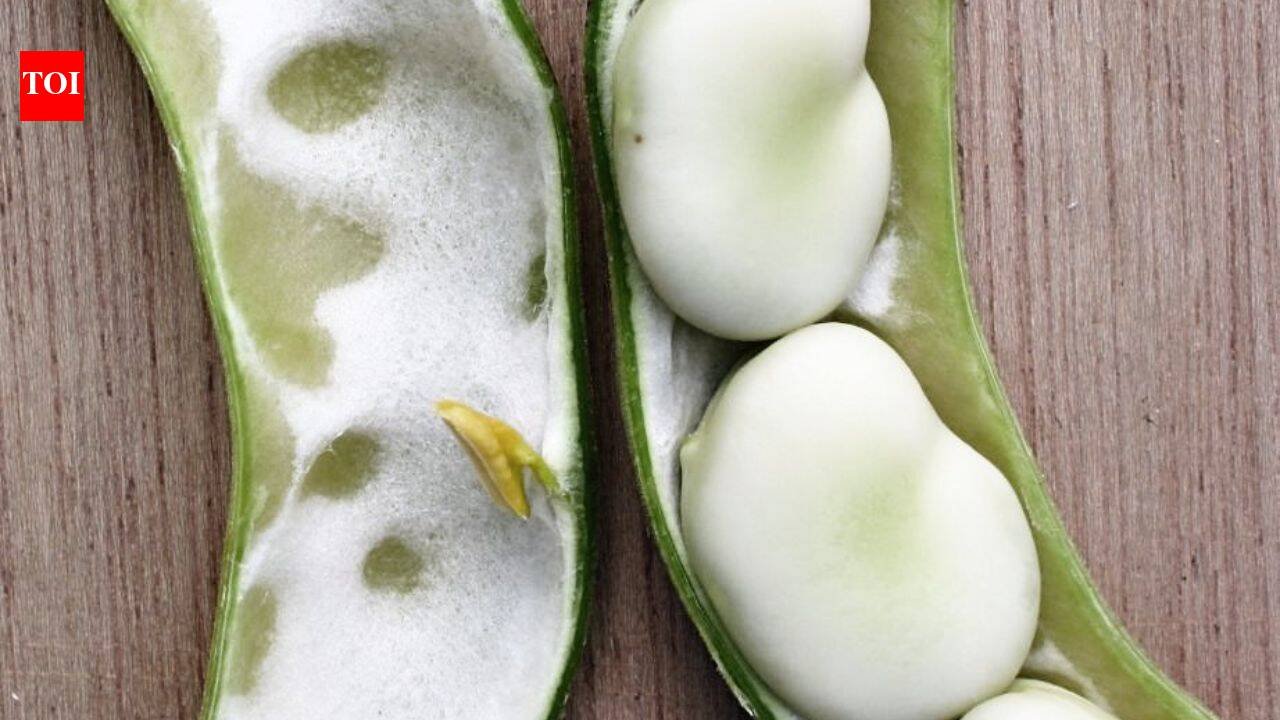
A broad bean grown by the same Somerset family since 1875 has become part of a national collection of heritage vegetables. Known as Grandfather Bean, the variety has been maintained by the Burge family for around 150 years, with seed passed down through generations. In 2025, it was among 11 varieties successfully added to Garden Organic’s Heritage Seed Library after being grown and assessed as part of a project to find unusual and threatened crops. Its journey from a family garden to a permanent seed collection shows how individual growers can preserve varieties that might otherwise disappear.
Importance of Somerset family’s 150-year-old broad bean
Garden Organic says Grandfather Bean was grown by the Burge family in Somerset for around 150 years, making it a genuine family heirloom. The organisation records that the variety was named Grandfather Bean by the donor’s father, referring to his own great-grandfather, who was born in the 1830s. The name therefore connects the seed not only to the crop itself but also to the family history surrounding it. Garden Organic included the broad bean among the varieties successfully added to its Heritage Seed Library collection at the end of 2025.The story sits within a much longer history of broad beans in Somerset. Martock History explains that the broad bean, Vicia faba, was developed in the eastern Mediterranean during Neolithic times, with early evidence of cultivation found in several parts of Europe and the Middle East. Broad beans were also grown in England from early periods, and the crop became an important food because of its hardiness.
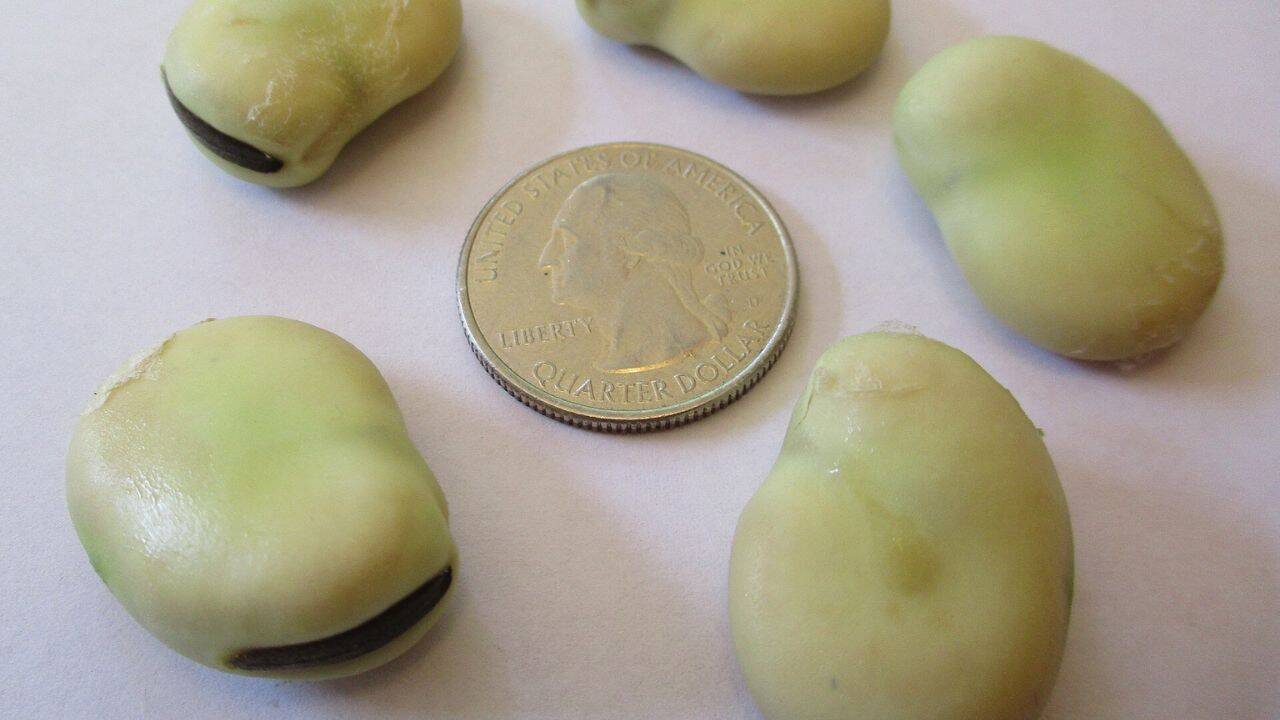
Vicia faba beans around a US quarter. Image Credit: Wikipedia
How family seed saving kept the variety going
For the Burge family, preserving the bean depended on keeping the seed and growing it again rather than relying on commercial supplies. Garden Organic describes such family-held varieties as seeds that have been grown, enjoyed and saved by individuals, families or groups over many years. The organisation says these seeds often carry a story that can be preserved alongside the variety itself.That approach is important because many older vegetable varieties are no longer commercially available. Garden Organic’s Sowing Your Seeds project was established to identify heirloom and unusual crops being grown across the Midlands and bring suitable examples into its Heritage Seed Library. Before a variety can be accepted, the organisation researches its history and checks whether it is already commercially available. It also looks for evidence that the seed can perform reliably from one generation to the next in the Midlands.Beans and Herbs website lists numerous varieties whose histories are tied to particular families, gardeners, places or events. Its collection includes beans that have been passed between generations, brought across continents and maintained after disappearing from commercial seed catalogues. The site also records Bridgwater, a bean grown near Bridgwater in Somerset for more than 80 years, showing how closely some bean varieties can become associated with local communities.
What happened when the old bean was tested
Adding Grandfather Bean to the Heritage Seed Library was not simply a matter of accepting a packet of family seed. Garden Organic explains that the varieties gathered through the project were grown and tested by its horticultural team. The plants were checked for germination, strength, pests and disease, while their characteristics were measured and recorded. The aim was to establish that each successful variety was distinctive and consistent across the plants grown.The 2025 trials began with 19 varieties. 5 were rejected because of poor germination, weak growth or excessive variation. Other plants required further treatment because they were biennials and needed a second growing season. 11 varieties ultimately passed the process and were added to the permanent collection. Grandfather Bean was one of those successful additions.
The new collection gives the bean a future
Garden Organic says the Heritage Seed Library conserves heritage vegetable varieties and shares them with members so they can continue to be grown. The organisation describes the newly added varieties as being at risk of extinction and says they will be protected and shared for future generations.This gives Grandfather Bean a role beyond the Burge family. For roughly a century and a half, its survival depended on one family. Its addition to a permanent collection creates another layer of protection, ensuring that the variety is no longer held only within that family history.Martock History says the local Somerset variety dates back to the medieval period and was mentioned in parish records as early as the 12th century. It was traditionally dried and used in soups, stews and other everyday foods. The variety survived because generations of growers retained seed from the plants they wanted to grow again.Grandfather Bean now joins other unusual vegetables preserved by Garden Organic, including the dwarf French bean Weller’s Blue and the historic Golden Purslane. Weller’s Blue was passed to its donor’s father by a soldier who had served in France during the Second World War, while Golden Purslane has records reaching back to the 16th century, according to Garden Organic.