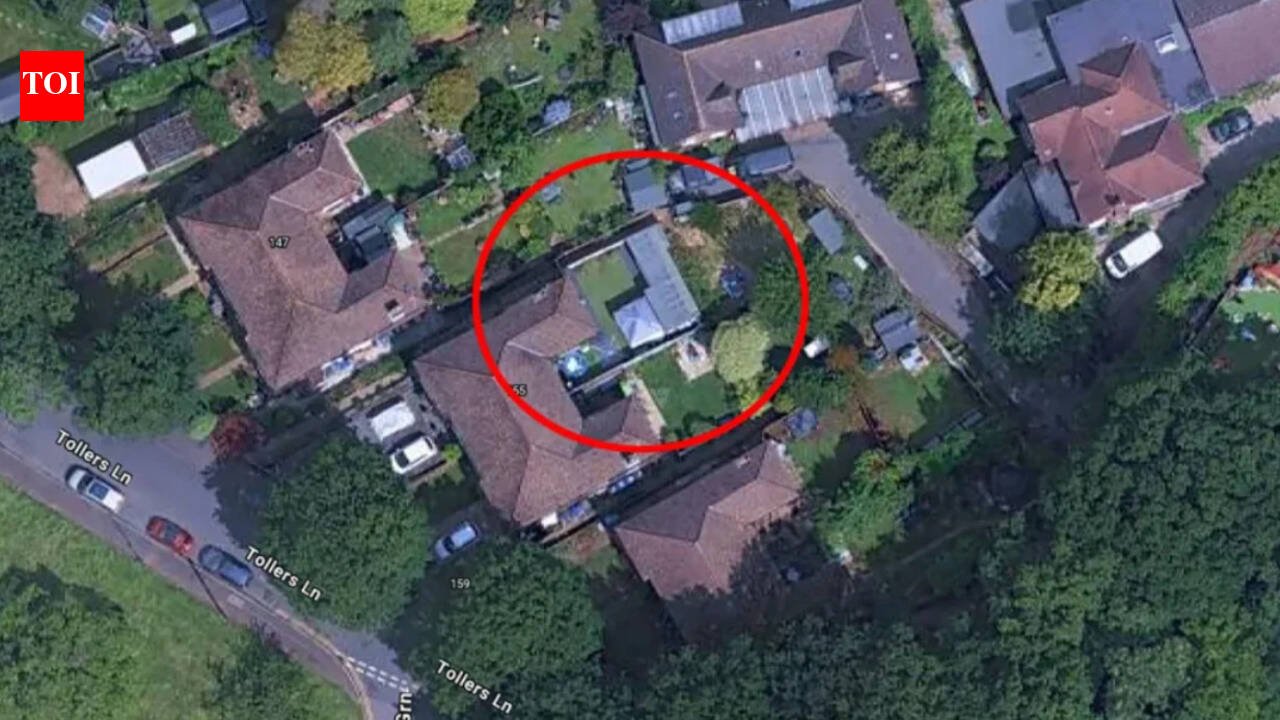


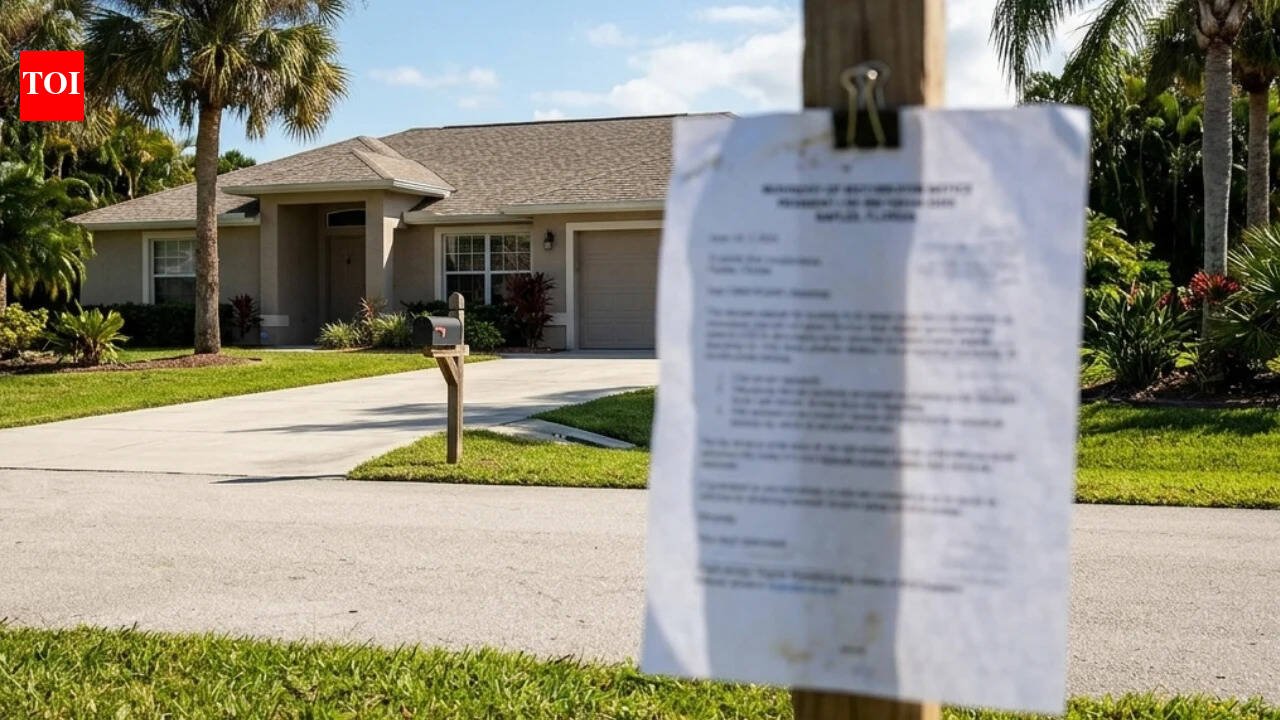
A Florida couple who missed 66 monthly mortgage payments on their Naples property have been involved in a legal dispute with their bank for nearly 17 years. During the dispute, the husband, Gregory Brian Myers, agreed to deposit $5,000 every month while he and his wife challenged the bank’s attempt to take possession of the property. Years later, Myers accused the bank of breaking that agreement. However, on Monday a US federal appeals court rejected his challenge and upheld an earlier decision dismissing his lawsuit.According to the court records available on Justia, the dispute began in 2009, when US Bank took legal action against Myers and his wife, Barbara Ann Kelly, over unpaid mortgage instalments. A Florida court eventually ruled in the bank’s favour after finding that the couple had failed to make 66 monthly payments. Both Myers and Kelly challenged that decision.The property had originally been purchased by Kelly, who took out a mortgage to pay for it. She later added Myers as a joint owner. US Bank National Association, acting on behalf of a mortgage-backed securities trust, held the mortgage on the property.
Why Myers agreed to deposit $5,000 every month
After the Florida court allowed the bank to proceed with foreclosure, Myers and Kelly appealed the decision. Foreclosure is the legal process through which a lender can take and sell a property when mortgage payments are not made.While their appeals were pending, Myers filed for Chapter 11 bankruptcy protection in Maryland. This temporarily stopped the bank from moving ahead with certain actions to recover the property.US Bank then asked the bankruptcy court for permission to continue the foreclosure proceedings. The bank wanted to proceed with the couple’s appeals and sell the property if the earlier judgment was upheld.In November 2016, Myers and the bank reached an agreement. The appeals could continue, but the bank could not sell the property until both had been finally decided in its favour.As part of the arrangement, Myers had to deposit $5,000 every month into a court account in Maryland. He later claimed that he had deposited a total of $70,000.The agreement also explained what would happen to that money. If the bank won the appeals, it could receive the deposited amount. However, the bank would have to count that money towards the debt owed by Myers or Kelly.In 2018, a Florida appeals court ruled against the couple and upheld the earlier foreclosure decision. This meant that the appeals which had prevented the bank from selling the property were over.
Why the husband sued the bank again
Despite the 2018 ruling, the dispute did not end. In 2024, Myers filed another lawsuit after the bank attempted to schedule a sale of the Naples property.He claimed that the bank’s actions went against the agreement reached in 2016. He also accused the defendants of fraud and alleged that his constitutional rights had been violated.However, the federal district court found that his initial complaint did not clearly explain which of the people or organisations he had sued were responsible for the alleged wrongdoing. The court allowed him to revise his complaint.Myers then filed a new version, naming several differently identified US Bank entities and Credit Suisse First Boston Mortgage Acceptance Corp. This time, his allegations included breach of contract, constructive fraud and violations of a federal law governing debt collection practices.The court rejected his claims. One important reason was that the 2016 agreement had never promised to stop the bank from selling the property permanently.Instead, it had only prevented a sale while the couple’s appeals were pending. Since those appeals had ended in 2018, the court found that the bank’s later attempt to proceed with foreclosure did not break the agreement. The court also found that Myers had not provided enough facts to support his fraud allegation.
What the October 19 court ruling said
Myers challenged the dismissal of his lawsuit, arguing that the lower court had not properly considered his claims. He also believed he should have been given another opportunity to correct his complaint.But the US Court of Appeals for the Eleventh Circuit did not agree. The judges found that Myers had failed to explain clearly how the bank had broken its agreement with him.Myers also argued that a separate bankruptcy filing in Washington, DC, should have prevented the court from deciding his case. The judges rejected this argument because he had filed the lawsuit himself. Bankruptcy protection against legal proceedings generally applies to cases brought against someone who has filed for bankruptcy.Another disagreement concerned the different names under which Myers had identified US Bank in his complaint. The appeals court found no reason to believe that treating them as one defendant had affected the outcome.The judges upheld the earlier decision to dismiss the lawsuit with prejudice, meaning Myers could not bring the same claims again in that case. They also rejected his request to have the judgment reconsidered.